 ✕
✕
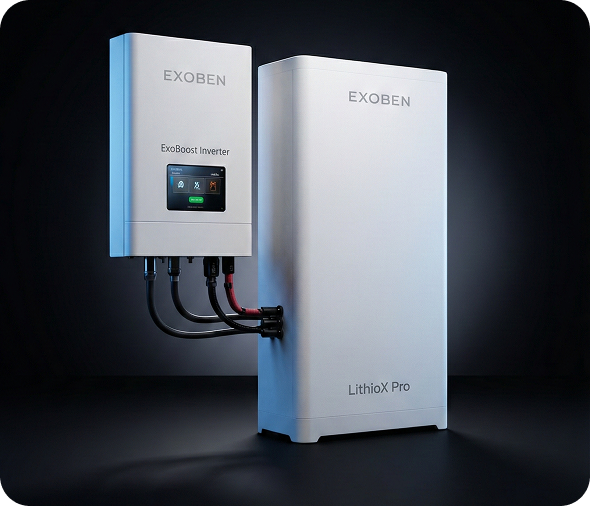
Battery technology is one of the most important areas of our work. The goal is simple: create batteries that last longer, stay stable in hot weather, charge faster, and remain affordable for people and businesses around the world.
The battery team works on two main platforms, LithioX and SodioX, each designed for different needs.
The focus here is to build a strong, fast-charging battery that can survive high temperatures and heavy daily use.
Engineers test how the battery behaves when the weather is hot, when people charge frequently, and when the power supply is unstable.
Work includes:
• improving energy density so the battery stores more power
• testing fast charging up to 3C without damaging the battery
• designing liquid cooling channels to manage heat
• checking safety under tough conditions
• studying how the battery ages after thousands of cycles
• building cell-to-pack designs that make the battery lighter and stronger
The team uses lab testing in the USA and real-world testing in Ghana’s heat and humidity.
This combination helps the battery handle both modern cities and challenging environments.
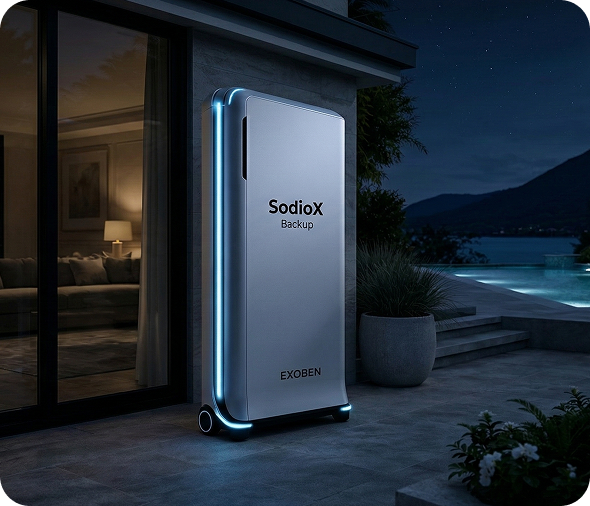
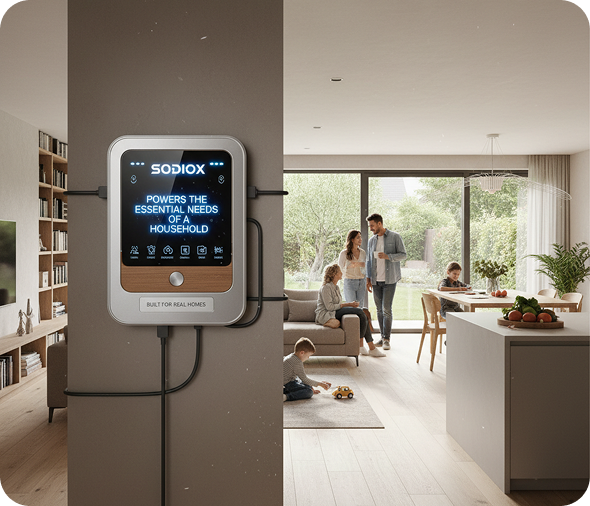
This battery is designed for places where lithium is too expensive or too sensitive to heat.
The research goal is to make SodioX a long-life, safe, and affordable energy option.
Work includes:
• improving the Prussian Blue cathode
• shaping the hard-carbon anode for better efficiency
• testing the battery in temperatures up to 55°C
• running more than 6,000 deep cycles
• checking stability for solar charging
• improving electrolytes for long storage life
• increasing safety so the battery never overheats
SodioX is tested for villages, clinics, schools, telecom sites, and small businesses that depend on reliable power.
Better batteries mean:
Battery development is one of the most important parts of our work. The goal is simple: create energy systems that stay strong in the real world, in the heat, in remote areas, during long daily use, and in places where power supply is not stable.
The battery teams focus on two platforms: LithioX™ and SodioX™.
Both are built and tested in different environments to understand how they behave in real life, not just in the lab.

Research focuses on improving power, safety, and lifespan:
• increasing energy density up to 310 Wh/kg
• testing fast charging up to 3C rates
• developing a micro-channel liquid cooling system to keep the battery cool in hot weather
• long-term endurance testing in 40–50°C climates
• studying how the battery reacts to daily heavy use
• improving structural design through cell-to-pack engineering
• monitoring cell behaviour with advanced battery management electronics
This work helps create a battery that is powerful, safe, and reliable for homes, businesses, charging stations, and future electric vehicles.
SodioX is built for regions that face high temperatures and depend heavily on solar power.
Research focuses on:
• Prussian Blue analogue cathodes
• hard-carbon anodes designed for stability
• cycle life testing beyond 6,000 full cycles
• performance checks at 55°C without cooling
• improving electrolyte stability for long storage
• safety testing to confirm zero thermal-runaway risk
• fast-charging behaviour under strong sunlight conditions
This program helps deliver affordable and long-lasting energy storage for rural communities, schools, clinics, and remote regions.
The battery teams run tests in the USA and Ghana to understand how the systems behave in real weather:
This gives practical feedback, what works, what fails, and what needs improvement, so the batteries can perform anywhere people need dependable power.
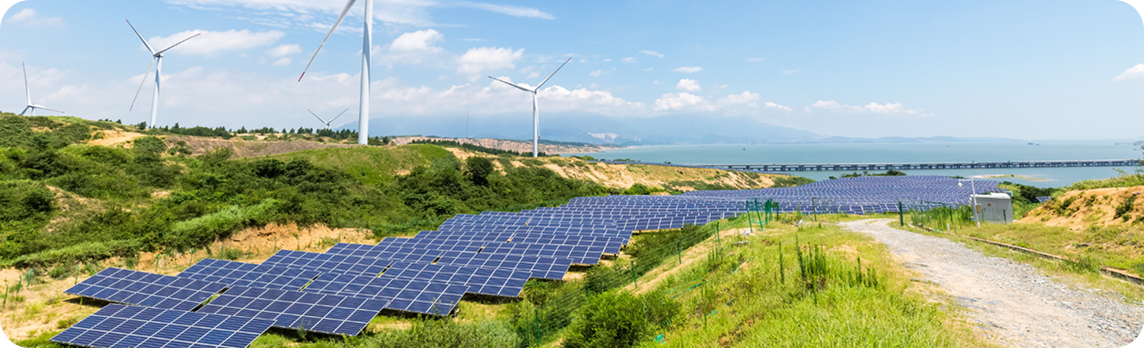
Exoben is building solar technology that works in the real world, not only in perfect conditions. Our team studies how solar panels behave in places with strong heat, dust, salt, humidity, storms, and unstable grids. These problems are common in Africa, Asia, LATAM, the Middle East, and coastal regions.
The battery teams run tests in the USA and Ghana to understand how the systems behave in real weather:
This gives practical feedback, what works, what fails, and what needs improvement, so the batteries can perform anywhere people need dependable power.
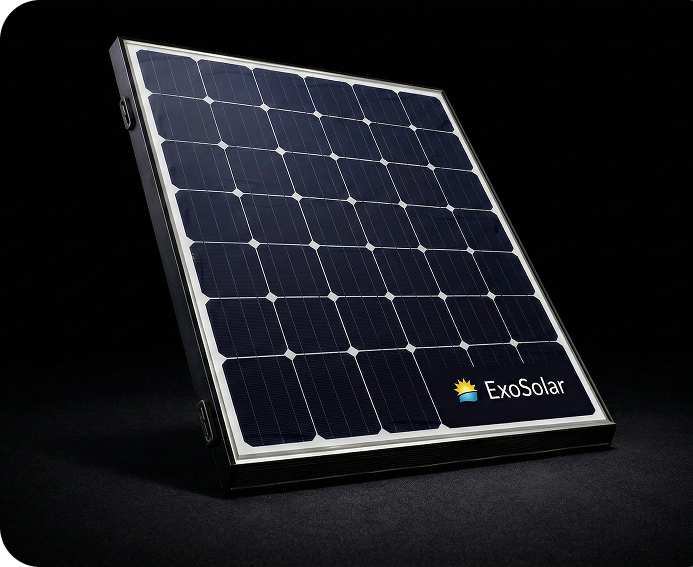
Our engineers work on cell designs like TOPCon and other high-efficiency structures. These designs help capture more sunlight and work better in hot weather.
We focus on:
• higher energy output per panel
• better performance when the sun is not strong
• surfaces that reduce reflection
• materials that resist heat loss
Every improvement is tested with the goal of giving customers more power from the same amount of sunlight.
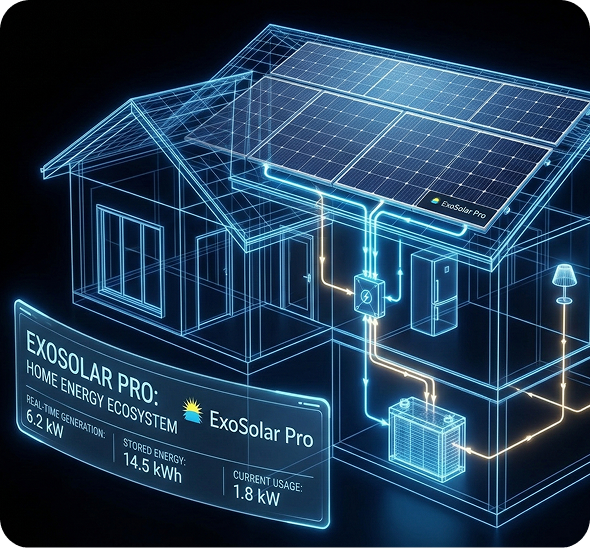
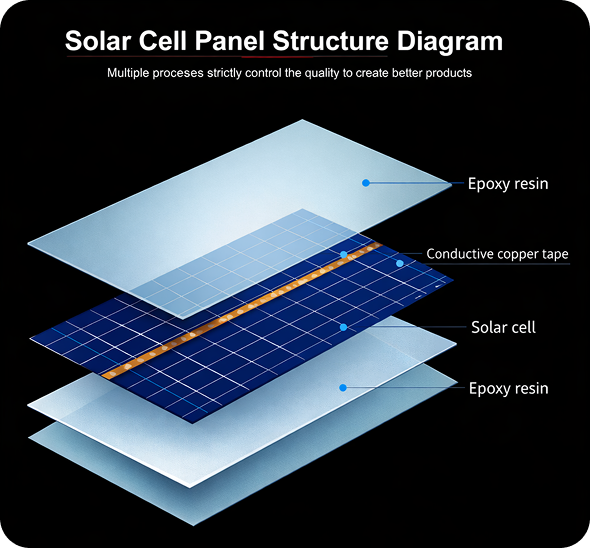
Many solar panels fail early because they are not built for heat, salt, dust, or strong winds.
We work on:
• glass that resists dust scratches
• coatings that reduce salt corrosion
• frames that do not rust
• structure that can handle strong wind pressure
• sealing methods that protect against moisture
These upgrades help the panels last 30 years or more, even in difficult climates.
In many regions, sunlight is often affected by clouds, dust, fog, or haze.
We focus on improving:
• power generation in low sunlight
• strong early morning and evening output
• better energy capture during cloudy hours
This makes solar more reliable throughout the day, not only at noon.
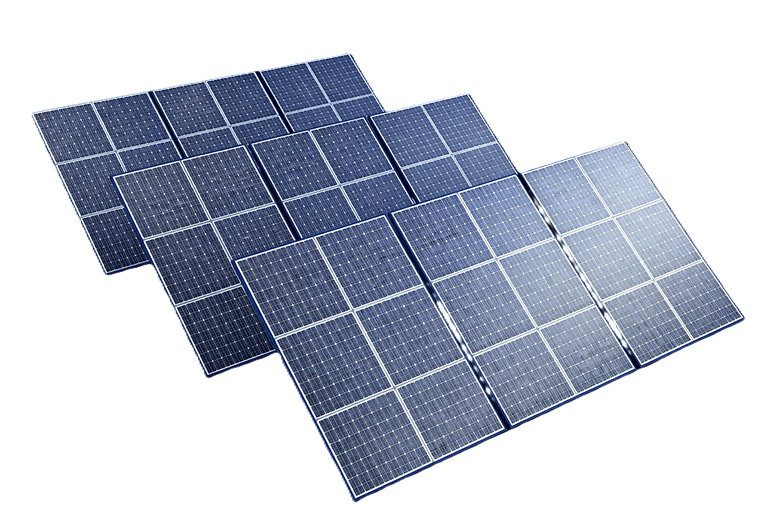
Our future work includes:
We want our solar technology to work for homes, farms, schools, businesses, and even full communities that depend on clean energy every day.
Our charging technology is not only about hardware.
A big part of the work happens in the software that runs behind the scenes, software that helps every ExoBoost charger stay stable, safe, and fast even when the electricity around it is not.
We build our charging software to solve real problems that exist in many countries: unstable grids, sudden power drops, heat, and busy public locations.
Because of this, almost everything we design focuses on reliability first.
Electricity supply is not always stable.
Our software constantly checks the power level coming from the grid and automatically adjusts the charging output so the charger does not shut down or overload.
It protects the car, the charger, and the grid, all at the same time.
Instead of waiting for something to break, our system studies patterns such as temperature changes, unusual voltage behavior, and slow connectors.
When it notices something that may cause a problem later, it reports it early.
This helps operators fix issues before the charger goes offline.
It keeps uptime high and reduces maintenance cost.
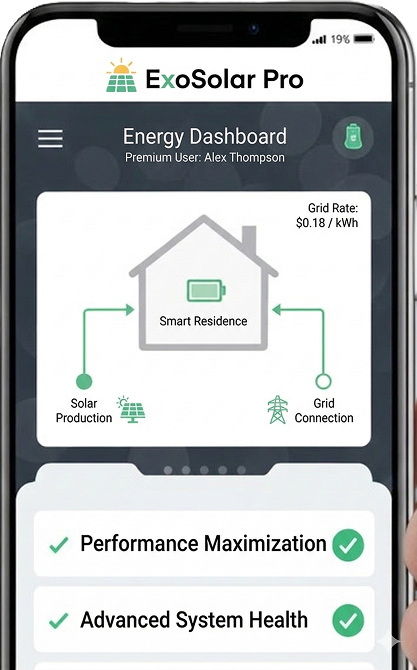
Operators can see each charger live:
• power output
• session time
• grid quality
• temperature
• usage data
• fault alerts
If something needs attention, our team can adjust settings or restart the system remotely, without sending a technician to the site.
This is very helpful in areas where travel time is long.
If the charger detects a small error, it tries to fix itself.
It may restart a module, stabilize voltage, or reroute power.
This reduces downtime and prevents minor issues from turning into big failures.
In busy locations, like taxi hubs, bus stations, malls, or highways, our software predicts peak usage times.
This helps operators plan energy supply, reduce congestion, and avoid overload.
It is a simple tool, but it makes charging networks run smoother.
Our software supports:
• mobile app access
• RFID cards
• QR code scans
• digital payments
This makes charging easy for drivers and safe for operators.
We update our software quietly in the background.
New features, better power management, improved security, all delivered automatically.
The chargers get smarter with time, not outdated.
Our vehicle development work is guided by a simple belief: an electric vehicle should fit the life of ordinary people, not just perfect highways or perfect cities.
We design with respect for different roads, different climates, and different ways people earn a living.
Every idea, sketch, test, and model is inspired by how people actually move, work, and travel each day.
Our team focuses on building vehicles that are strong, efficient, and easy to maintain.
The work includes:
• studying road conditions in Africa, Asia, LATAM, and rural towns
• designing platforms that can handle heat, dust, and long daily use
• developing battery systems that stay stable in very hot weather
• building structures that can carry families, workers, and cargo safely
• testing digital dashboards that are simple and friendly to use
Nothing is rushed. Every detail matters.
All vehicles are designed around our battery technology.
This gives us more control, more safety, and better durability.
Key engineering work includes:
• integrating LithioX™ cell-to-pack batteries
• improving cooling systems for hot climates
• creating strong under-body protection
• designing energy-efficient motor and inverter systems
• making sure charging works smoothly with ExoBoost™ stations
We want our vehicles to run day and night without fear of overheating or losing power.
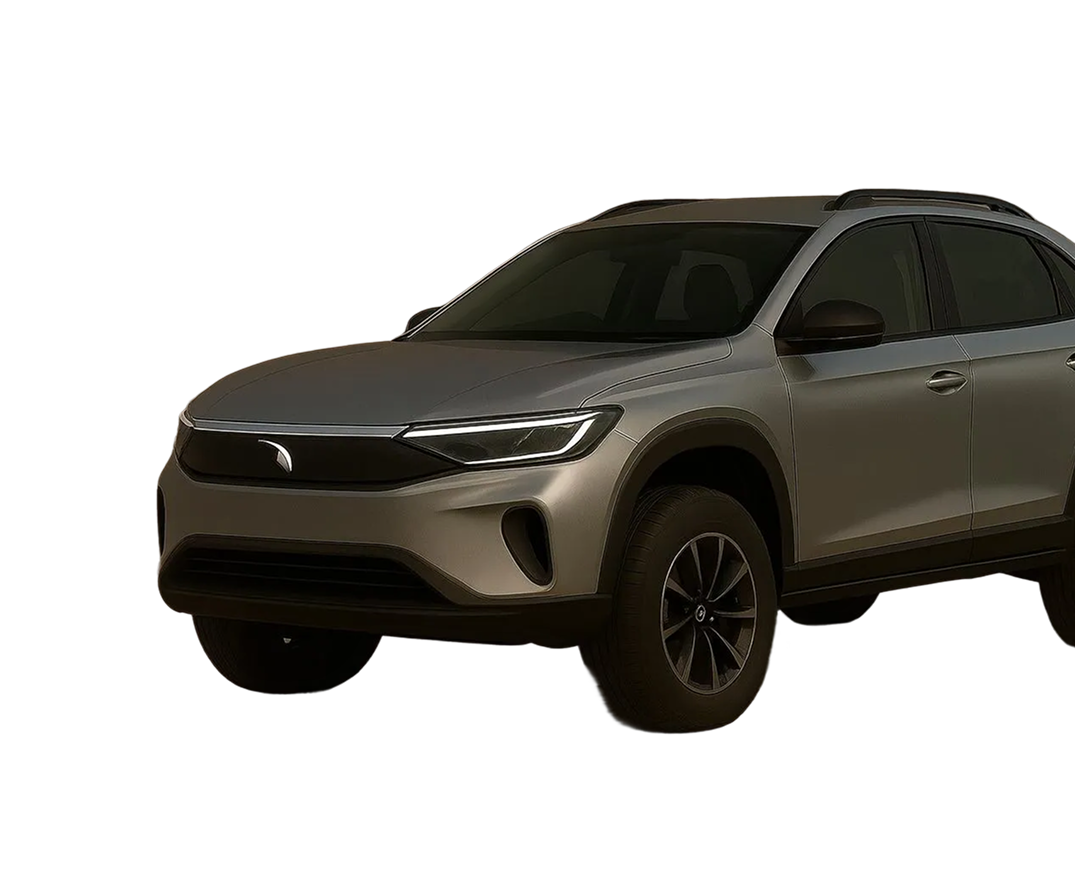
KORA is our first major step into electric mobility. It is being shaped as a multi-purpose SUV that can work for daily life, business, and long travel.
The engineering team is focusing on:
KORA represents our vision of a vehicle that “never sleeps”, always ready to work for the owner.
Technology is important, but people come first.
We think about:
This is why we design vehicles that feel strong, trustworthy, and comfortable, not complicated or fragile.
Our engineering process includes real-world learning:
• field tests in heat, dust, humidity, and rough terrain
• long-distance road simulations
• vibration and durability studies
• safety and stability testing
• battery endurance tests at high temperatures
We want our vehicles to succeed in places where many electric vehicles fail.
Vehicle development takes time, discipline, and deep engineering effort.
We are moving forward carefully, building, testing, improving, and learning.
Every step brings us closer to launching electric vehicles that truly serve people, communities, and future generations.
Exoben is building two major research and development centers, one in the United States and one in Ghana.
These centers will begin development in 2028 and will become the heart of all our future technology work.
We want places where engineers, scientists, developers, and young talents can come together to build real solutions for the world. These are not dream locations, they are long-term projects we are fully committed to.
The U.S. center will be built on 4,000 acres of land in Texas. This will be a modern research park where new ideas can become real products.
Key Focus Areas:
Texas gives us strong engineering talent, great infrastructure, and a stable environment to test advanced systems.
This center is where many of our future breakthroughs will begin.
The Ghana center will be built on 3,000 acres and will focus on technology that must survive real-world conditions, heat, dust, humidity, heavy usage, and unstable power.
This center will give us something no laboratory can offer: true field testing in real communities.
Key Focus Areas:
Ghana will become a major hub for technology that is built for real people, villages, towns, cities, farmers, businesses, transport operators, and places where reliable energy can change lives.
Both centers will work together.
Texas will lead with advanced labs and engineering tools.
Ghana will test and prove the technology in real conditions.
Together they will help us:
These R&D parks are long-term commitments.
They represent our belief that powerful technology should come from both high-tech labs and real-life environments.
2028 will be the beginning of something big, two innovation centers connected by one mission:
to build clean energy and mobility solutions that truly work for the world.
Our technology pipeline shows where we are going in the years ahead.
It is a long-term plan we are building one step at a time.
Some parts are already in motion, and others will move faster once our two R&D Parks begin construction in 2028.
This pipeline is not a dream.
It is a careful roadmap that we are preparing with discipline, patience, and purpose.

We are improving LithioX to reach higher energy density, stronger cooling, and longer life.
The goal is simple: batteries that charge faster, last longer, and stay safe even in very high heat.
These upgrades will support homes, businesses, and future electric vehicles.
We are developing the next generation of SodioX to offer more cycles, better performance in hot climates, and lower production cost.
A stronger SodioX battery means affordable clean energy for families, schools, clinics, farms, and small businesses.
We are studying new technologies such as HJT and perovskite to improve ExoSolar’s efficiency.
These future panels aim to capture more power during early mornings, evenings, and cloudy days, especially in countries with difficult weather conditions.
The next version of ExoBoost fast chargers will bring higher power, smarter software, and stronger support for unstable grids.
These chargers will help build national EV routes, long-distance travel networks, and charging hubs for future mobility systems.
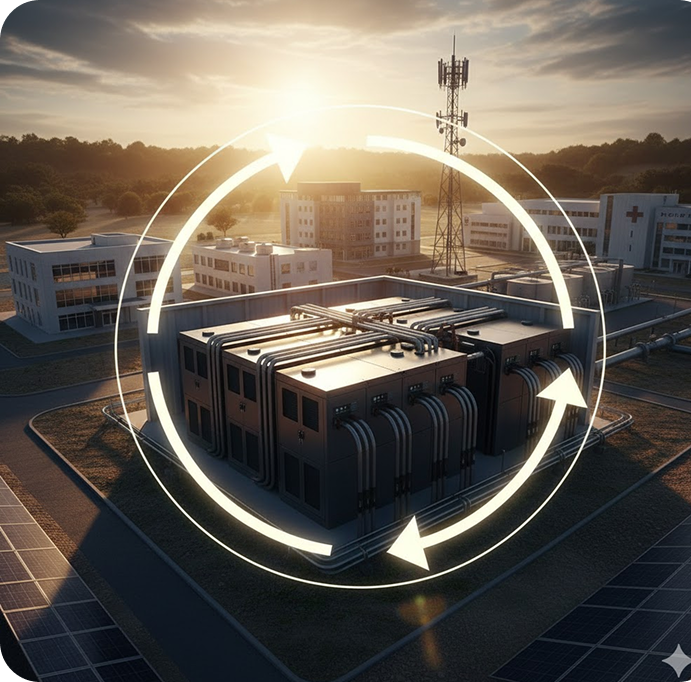
We are planning large battery systems for factories, hospitals, data centers, and city-level energy projects.
These units will use both LithioX and SodioX, depending on the needs of each location.
We are expanding our software platform into a full “Energy OS.”
It will help:
• predict energy use
• lower electricity costs
• extend battery life
• manage entire microgrids
This software will connect solar, batteries, charging stations, and future EVs into one smart system.
We continue designing and preparing the KORA electric SUV.
It is being built for real roads, long hours of use, difficult terrain, and daily life.
The pipeline includes:
• early prototypes
• testing cycles
• safety studies
• durability improvements
This SUV is being shaped for families, workers, businesses, and communities.
After the KORA SUV, we will develop simple, strong, affordable electric vehicles for transport, delivery, and small business operations.
Testing will begin in the USA and Ghana before expanding to other countries.
Both countries will host battery production lines in the future:
• USA for advanced battery manufacturing
• Ghana for regional energy systems and job creation
This work will move forward once the R&D parks begin construction in 2028.
We are planning community microgrids controlled by AI.
These systems will help villages, towns, and community centers enjoy stable, reliable, and clean power, even in places with weak electricity today.
Every part of this pipeline has one mission:
To build technology that makes life better for people, in homes, in businesses, in cities, and in villages around the world.
Construction for our two R&D Parks in the USA (4,000 acres) and Ghana (3,000 acres) will begin in 2028, marking a new chapter in our journey.
These parks will become the foundation of the next generation of Exoben technologies
We move with honesty, care, and long-term dedication, step by step, year after year.